If you’ve been browsing modern dollhouse interiors lately, you’ve probably seen it:
light wood, clean lines, low furniture, and a very calm, uncluttered look.
Most people call it Japandi.
But here’s where it gets interesting — Japandi is not the same as Japanese style.
And once you understand the difference, your miniatures instantly look more intentional (instead of just “modern wood furniture”).
As an Amazon, Etsy, xTool, and Anavrin associate, I earn a small commission from your purchase, with no extra charges for you.
What was the Traditional Japanese Interior Style again?
When people think of Japanese interiors, they usually imagine:
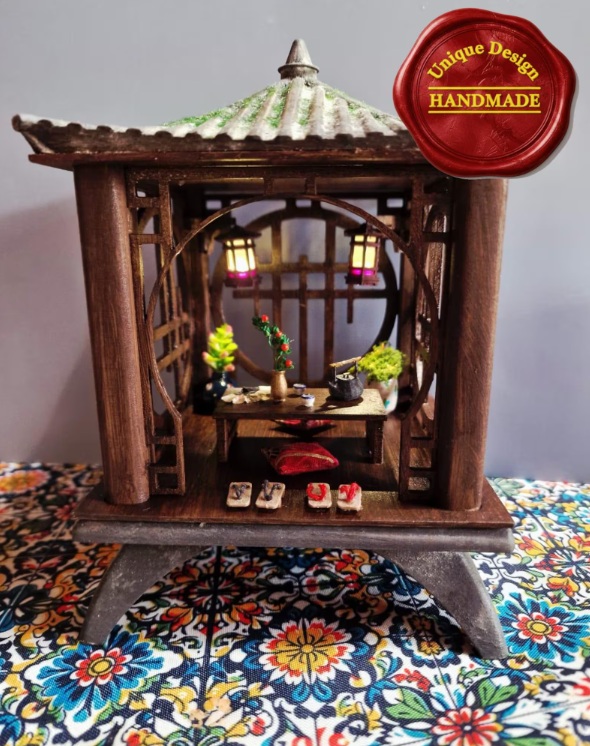
- Very low furniture (almost floor level)
- Tatami mats
- Sliding doors (shoji screens)
- Darker wood tones mixed with paper and natural textures
- A very quiet, almost empty feeling
At its core is the concept of Wabi-Sabi, which means appreciating simplicity, imperfection, and natural aging.
How this looks in miniatures:
- Super low tables (almost touching the floor)
- Floor seating instead of chairs
- Minimal decoration (sometimes just one object in a room)
- Visible wood grain, sometimes slightly rough or uneven
- Neutral but often slightly warmer or darker tones
In dollhouses, this can actually look too empty if you’re not careful. It’s beautiful, but harder to fill a scene.
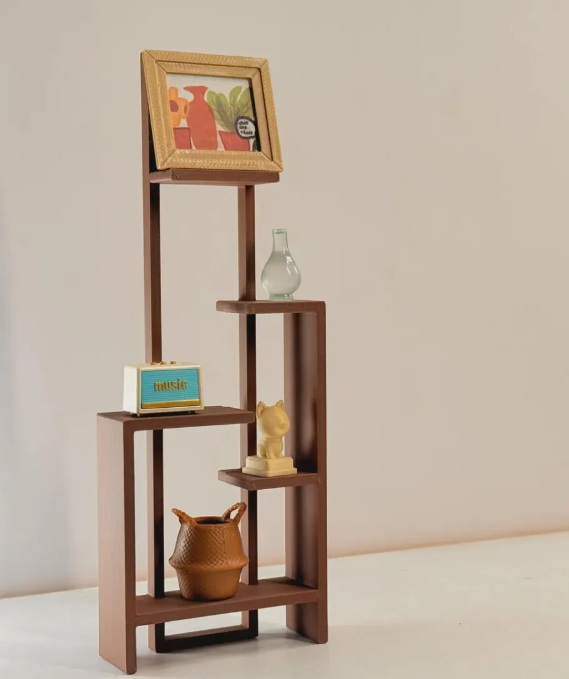
What Is Japandi Style?
Japandi is a mix of Japanese design and Scandinavian design.
So instead of going full minimal and traditional, it softens things.
You get:
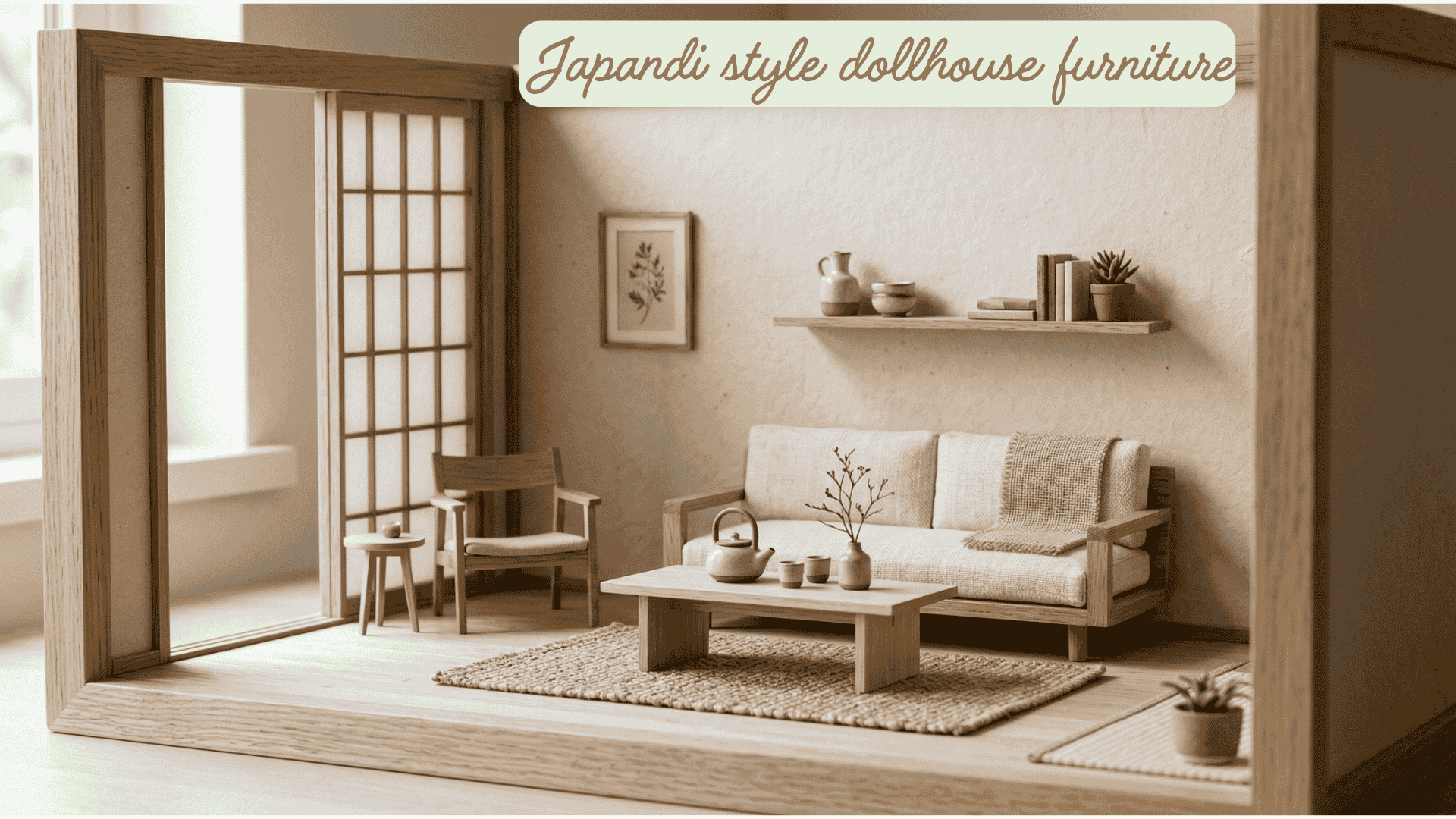
- Clean Scandinavian lines
- Combined with Japanese calmness and simplicity
- More practical, livable interiors
Key differences from Japanese style:
- Furniture is still low, but not floor-level
- More use of light woods (oak, birch)
- Softer, cozier feel (less strict minimalism)
- Slightly more decoration (plants, textiles)
In other words:
Japanese = minimal and traditional
Japandi = minimal, but modern and comfortable

Why Japandi Works So Well in Dollhouses
This is where it gets really interesting for miniatures.
Japandi is almost made for dollhouses because:
1. Simple shapes are easier to build
Straight lines, clean edges, no heavy ornamentation
2. Light wood looks realistic at small scale
Dark glossy furniture often looks fake in miniatures, but light matte wood looks very convincing
3. Less clutter means less work
You don’t need to fill every corner with tiny objects
4. It works across scales
- 1:12 → looks realistic and detailed
- 1:24 → looks clean and modern
- 1:48 → almost perfect for minimal interiors
How Japandi Translates Into Miniature Furniture
If you want to recognize or make Japandi miniatures, look for this:
Shapes
- Low-profile sofas and beds
- Thin tabletops
- Straight or slightly rounded edges
- Open space underneath furniture
Materials
- Light wood (birch, basswood, bamboo look)
- Matte finishes (never glossy)
- Linen or cotton fabrics
Colors
- Beige, off-white, soft grey
- Warm wood tones
- Occasional black accents
Details
- Very minimal hardware
- No ornate carvings
- Subtle textures instead of decoration
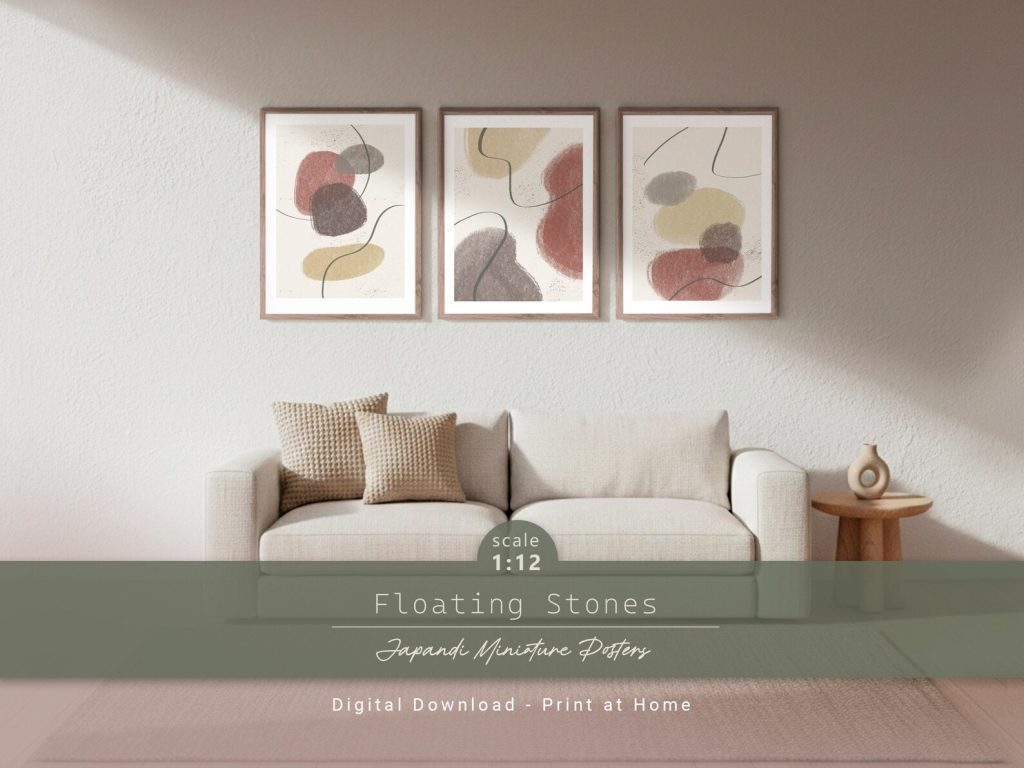
Where to Buy Japandi Miniatures
Here are some solid examples you can check:
On Etsy
Search terms that actually work:
- Japandi dollhouse furniture
- Modern minimalist dollhouse furniture
- Scandinavian miniature furniture
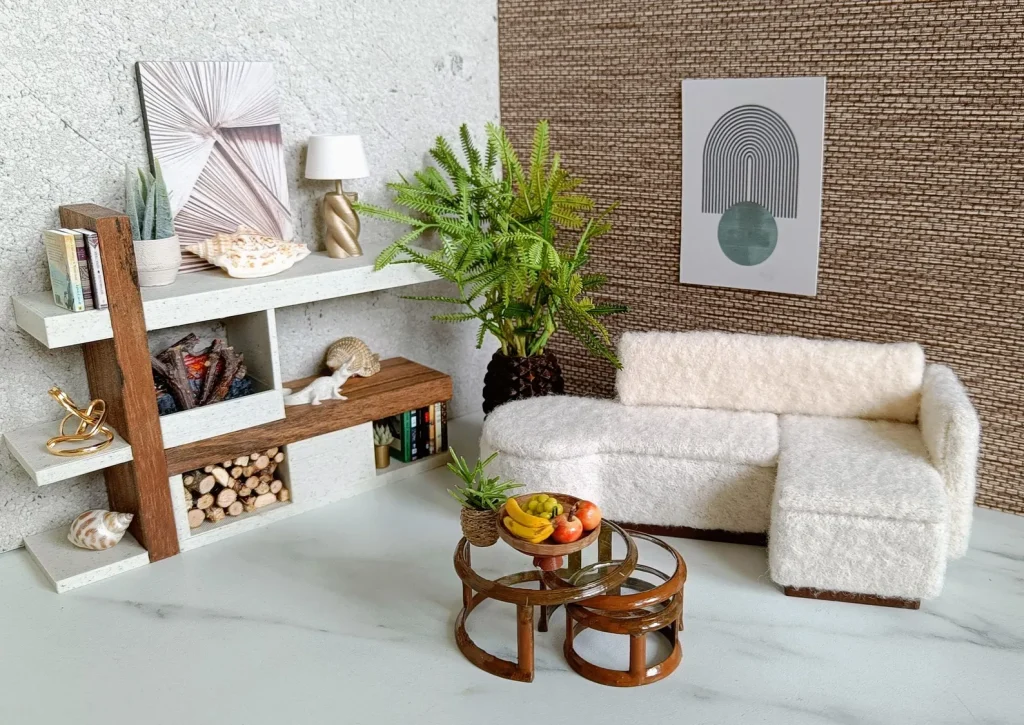
Shops often don’t always say Japandi, but visually, they clearly are.
On Amazon
You won’t find many listings labeled Japandi, but these are close:
- Modern dollhouse furniture sets (light wood)
- Scandinavian-style miniature kits

White Wicker Tea Table and Chair Set, Dollhouse Furniture Decor
Buy Now →My Final Conclusion
I hope you enjoyed this article on what the hype about the Japani style is all about and that I’ve cleared up the confusion!
If you have any questions, feel free to ask in the comment section!
I wish you happy crafting/collecting!
Lizzy

Hi everyone!
My name is Lizzy, and I am an amateur miniaturist obsessed with everything in the dollhouse and miniature world, ever since I was a teenager.
So far, I have created 2 dollhouse projects, a backyard shed and a miniature treehouse, tons of DIY dollhouse kits, and “hacked” some.
I also created a fairy garden, and lots of small and simple miniature projects on my YouTube channel. (mostly made from trash or everyday items).
I love to write as well about all things happening in the miniature world, hence the reason why I created this blog!
I wish you happy reading and crafting!
Lizzy