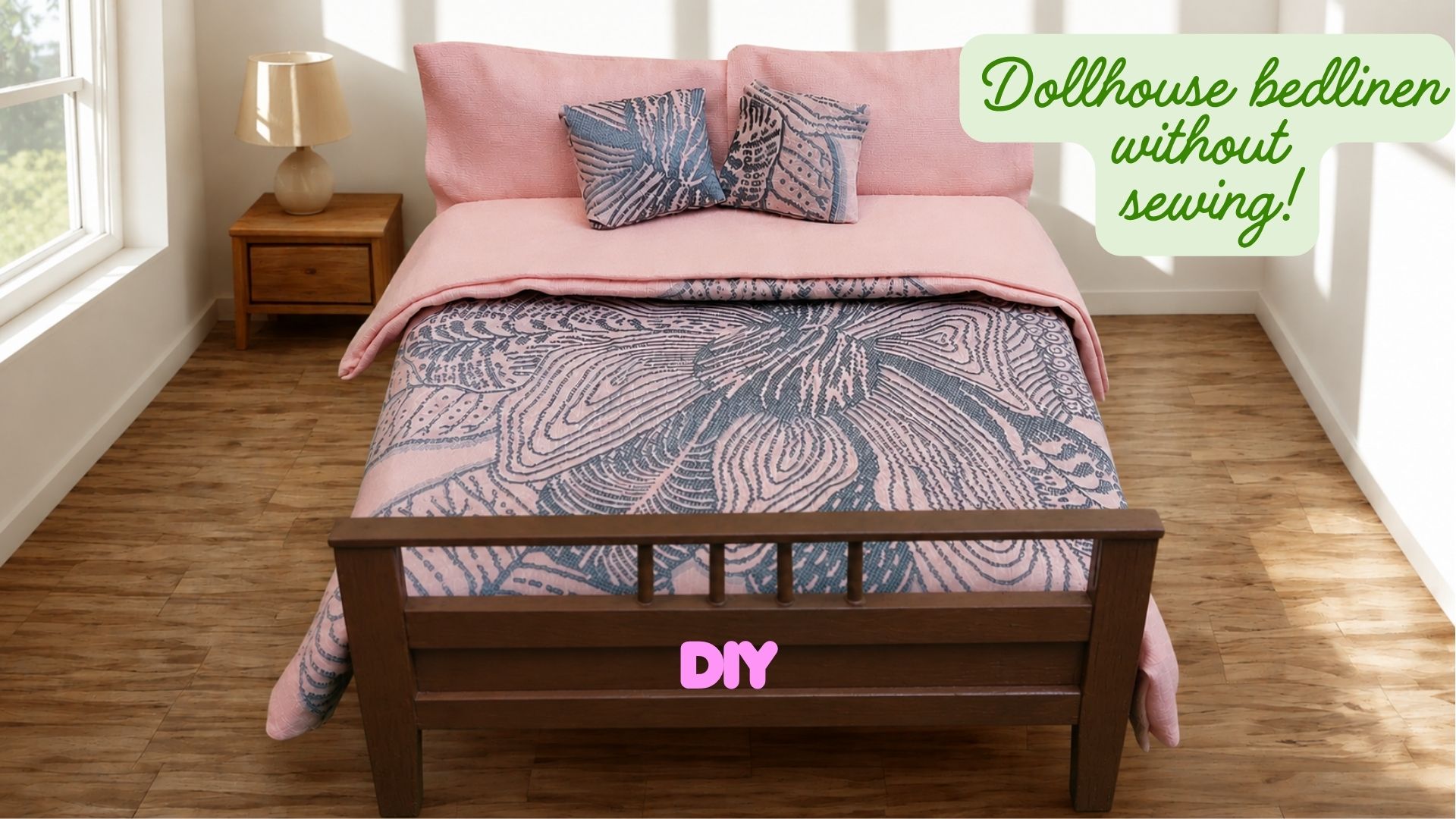
After finishing my popsicle stick dollhouse bed frame, I wanted to make simple bedding to match it. I didn’t use a sewing machine for this project. Instead, I used thin fabric, hemming tape, an iron, aluminum foil, and paper towels to create a miniature blanket that looks soft and realistic in a dollhouse bedroom.
This method is beginner-friendly and works well if you want neat miniature bedding without stitching tiny seams by hand.
Materials I Used
- Thin cotton fabric
- Printed fabric for the decorative side
- Iron-on hemming tape
- Mini iron
- Aluminum foil
- Paper towels
- Scissors
- Iron
Step-by-step tutorial
Step 1: Preparing the Fabric Layers
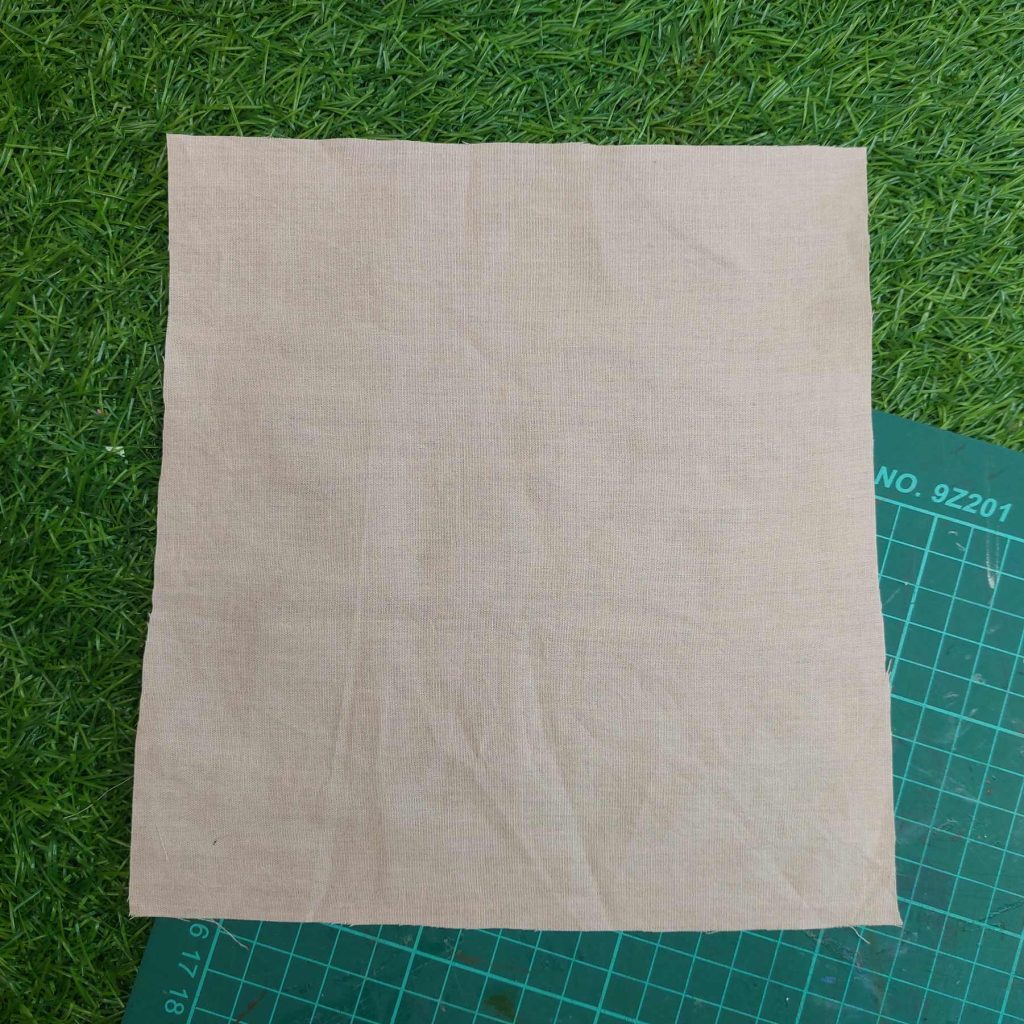
For this miniature blanket, I started with two square pieces of thin cotton fabric. I used a lightweight fabric because thicker materials can look bulky in a dollhouse bed.
One side of the blanket has an even color, and the other side has a print.
To bond the two fabric pieces together without sewing, I used iron-on hemming tape (also called fusible bonding tape). This tape becomes adhesive when heat is applied with an iron.
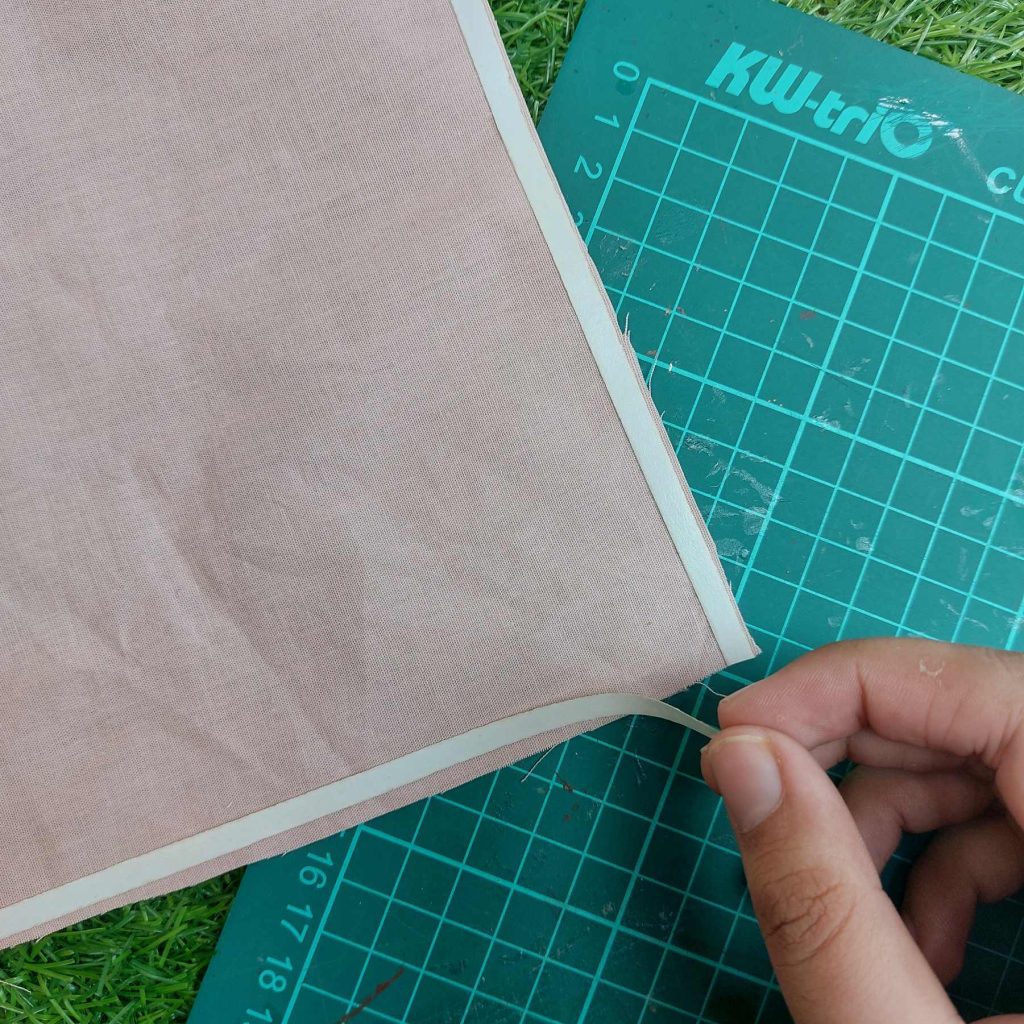
First, I placed strips of the hemming tape along three edges of the fabric, leaving one side open. I positioned the tape between the two fabric layers, making sure the good sides of the fabric were facing outward.
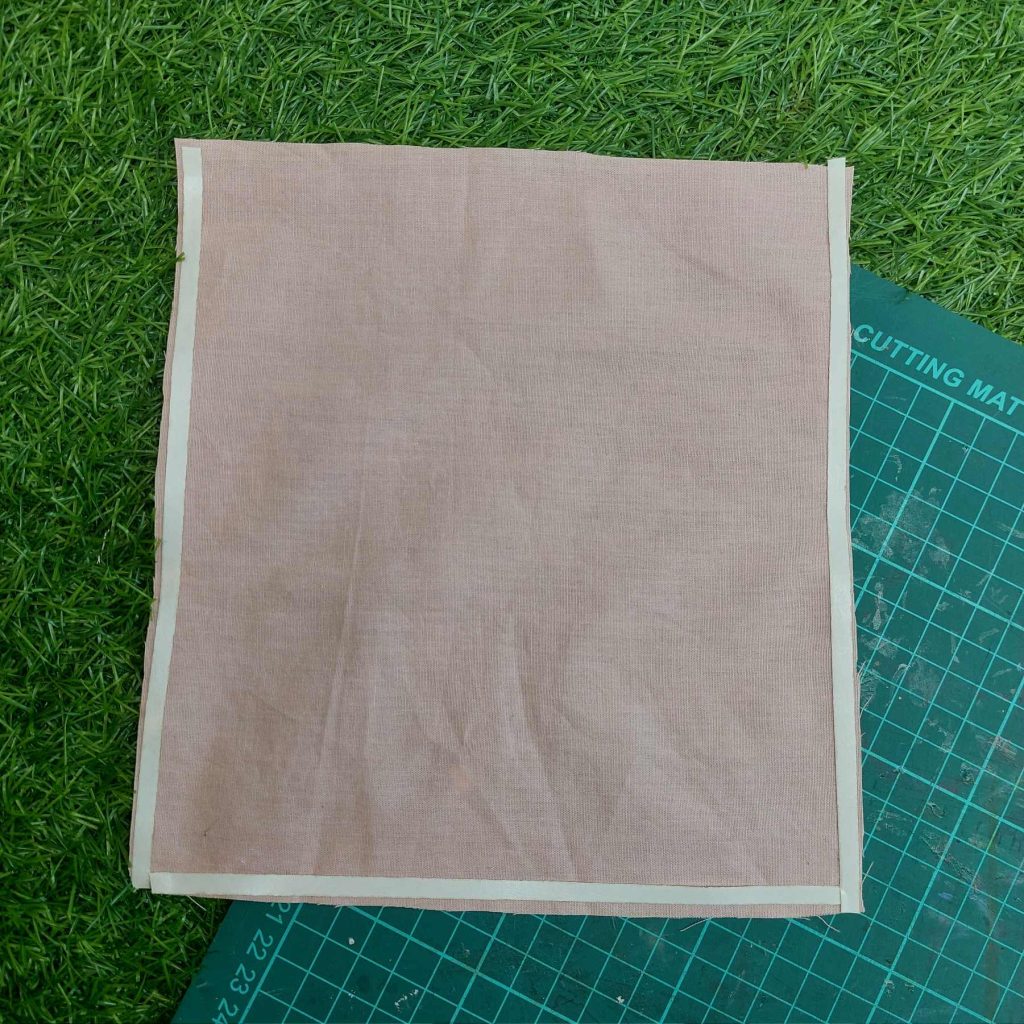
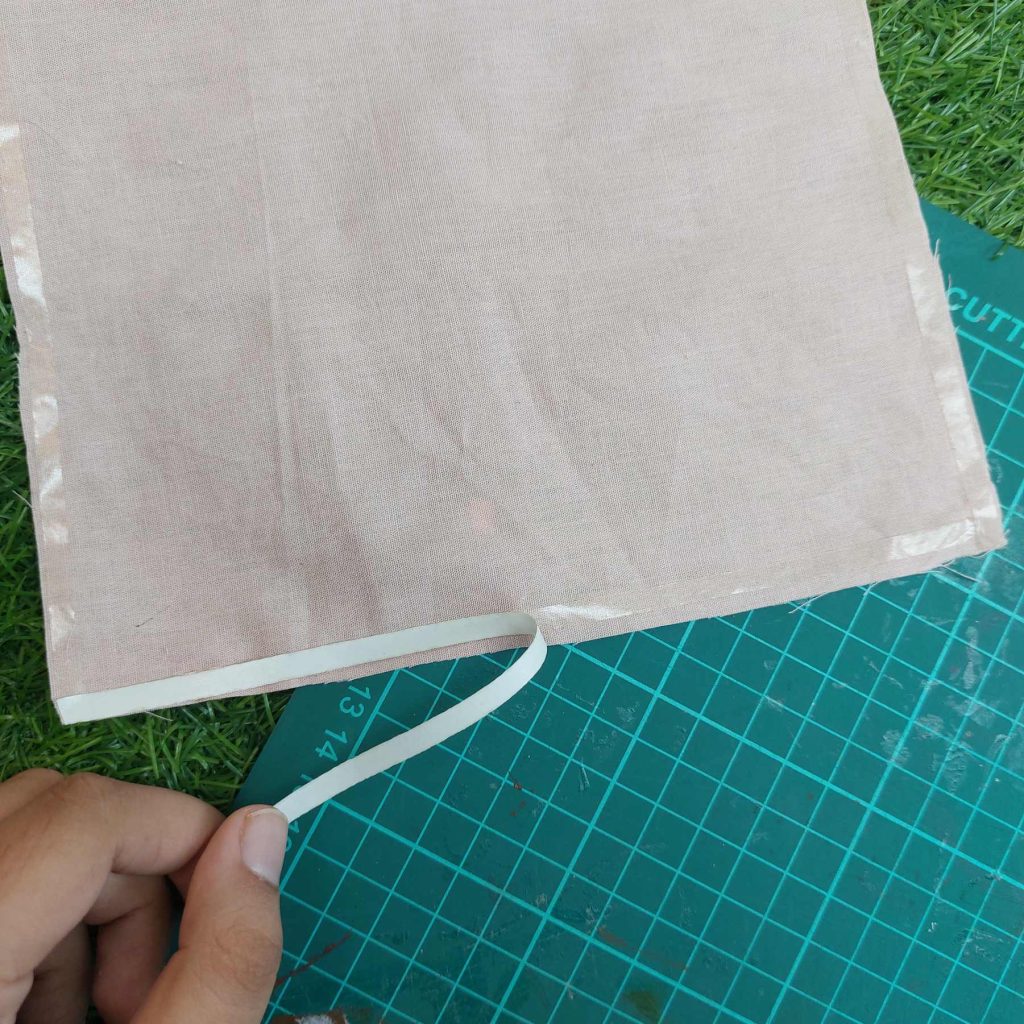
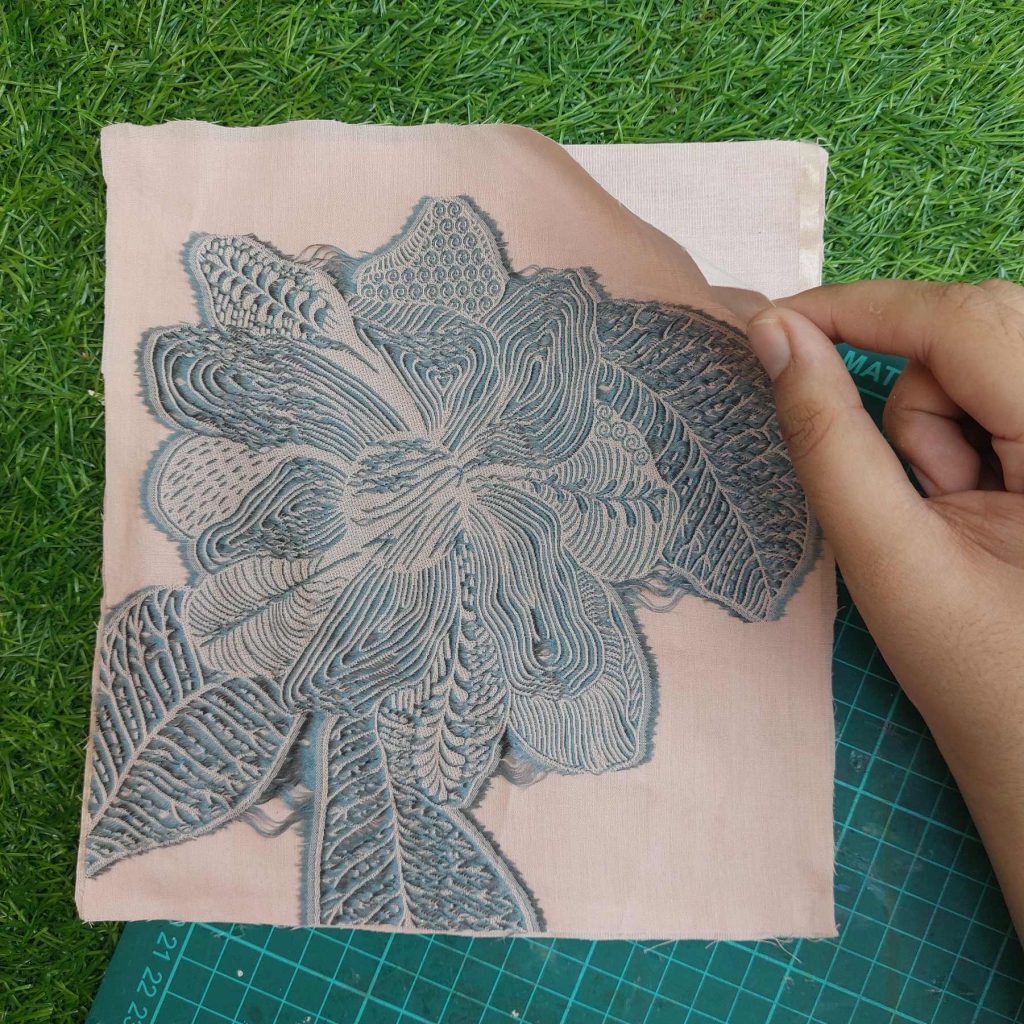
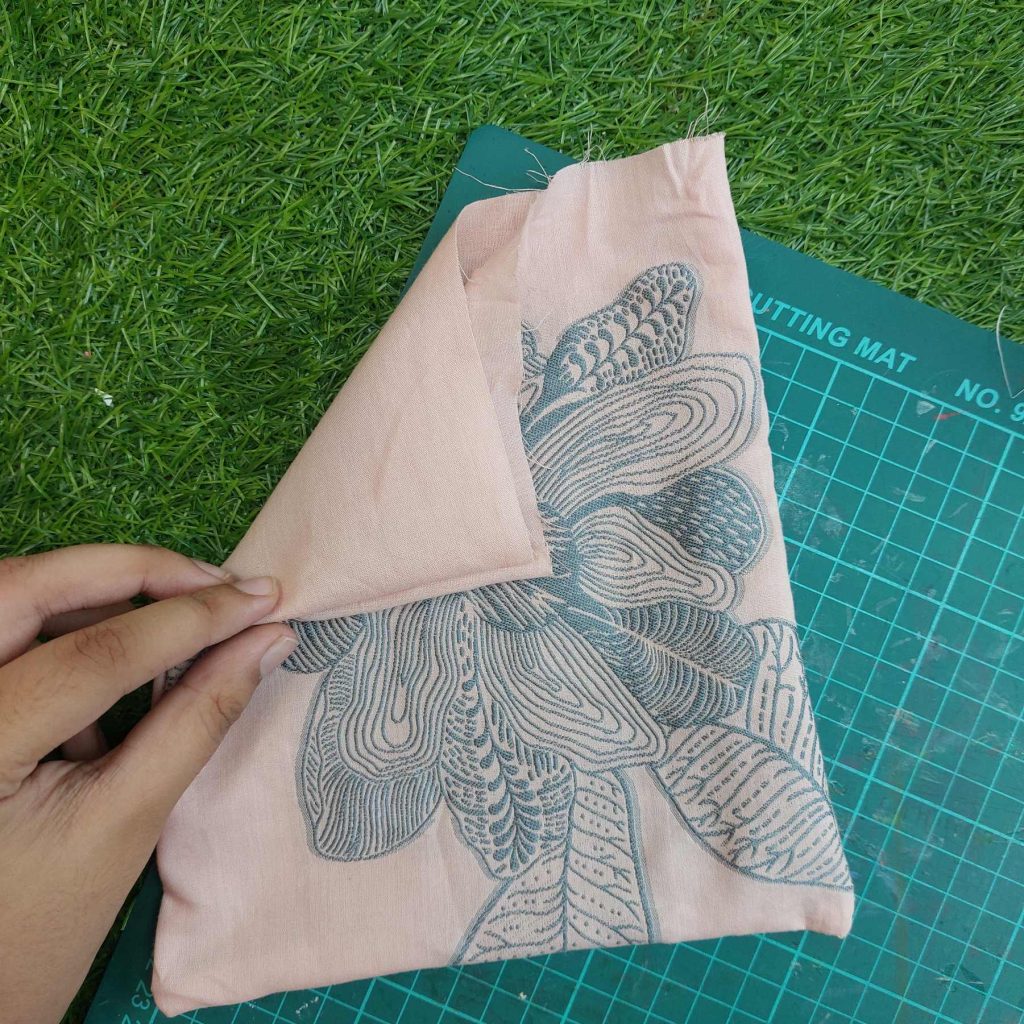
After that, I carefully ironed over the edges to activate the tape and permanently seal the fabric together.
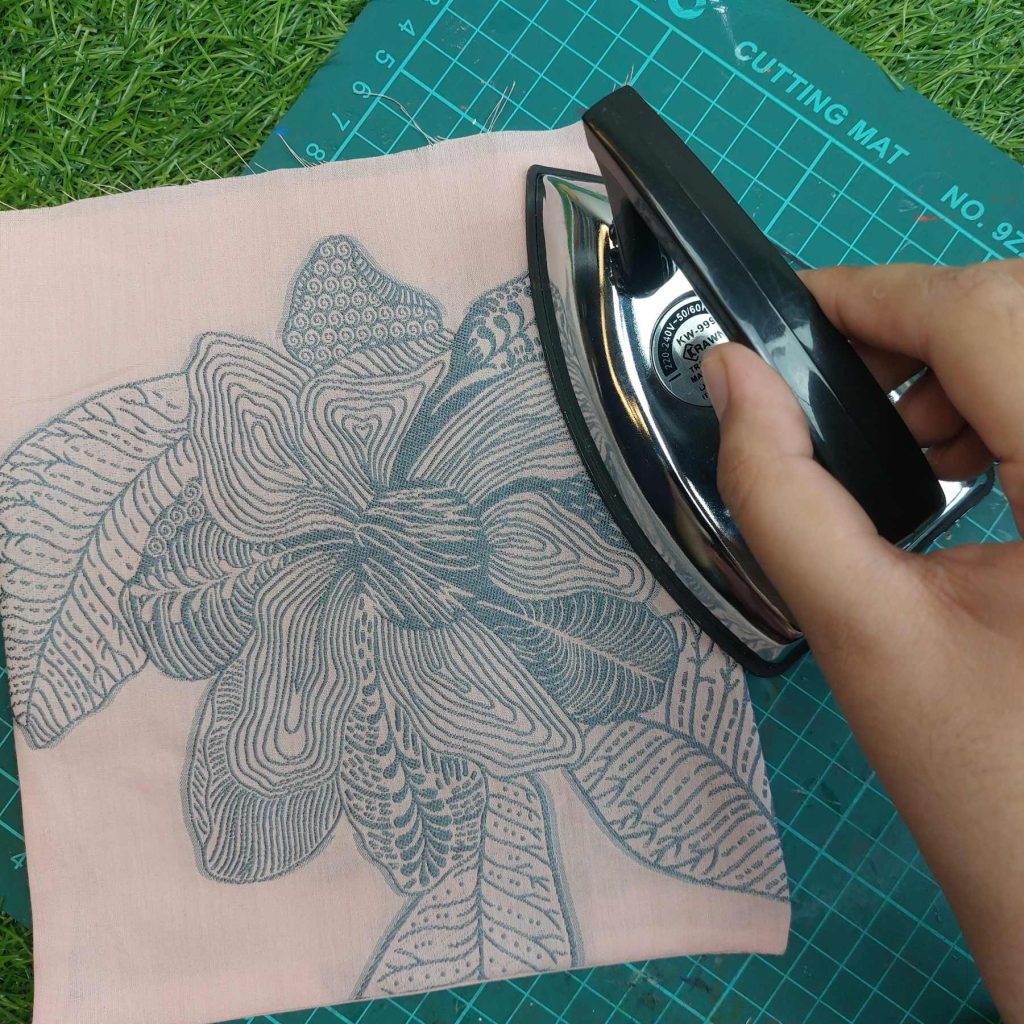
This creates a clean miniature seam without visible stitching and keeps the blanket soft and flexible.
Step 2: folding aluminium and adding paper towel
I now had something like a little fabric pocket. One side stayed open, so I could still fill it.
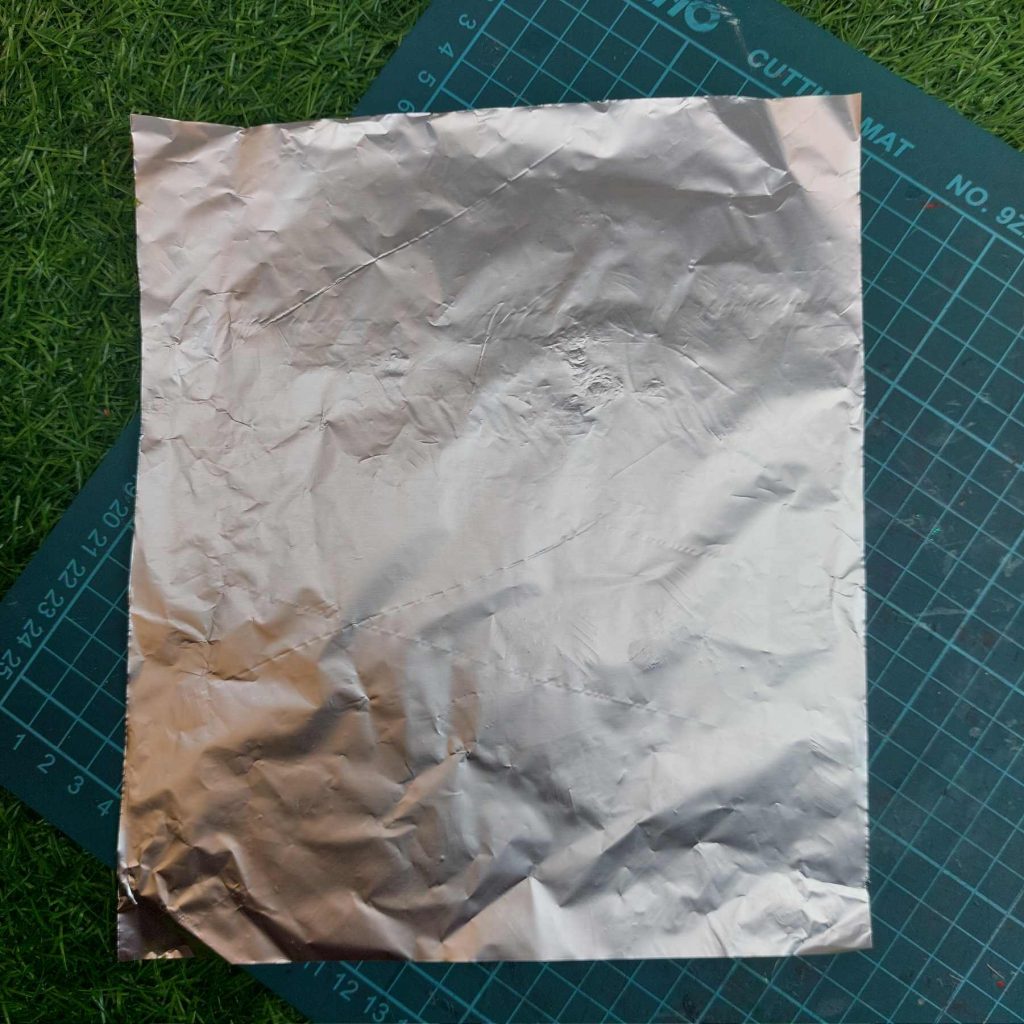
To help keep the shape while filling it, I used a piece of aluminium foil. I folded the foil edges inward so it became a flat rectangle that would fit inside the fabric pocket.